Welcome to the first installment of our Golf Fitness Series, where we break down specific body regions and their role in the golf swing. In this post, we’ll focus on ankle mobility—specifically dorsiflexion, inversion, and eversion—and how limitations in these movements can negatively impact your golf swing.
Table of Contents : The Ankles Role in Golf Performance
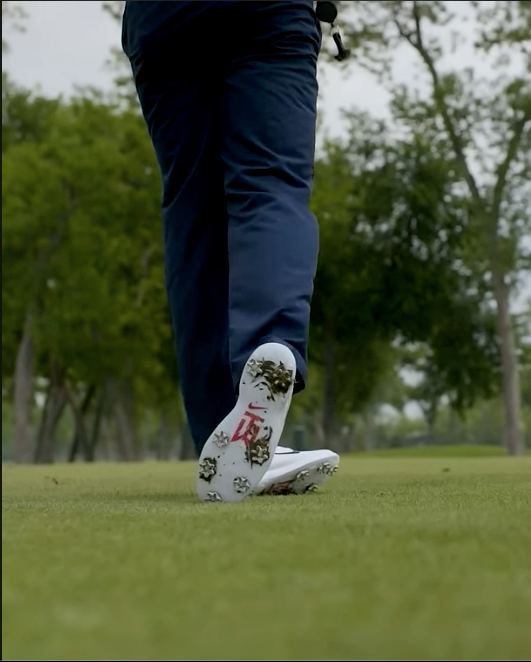
Why Ankle Mobility Matters
The ankle is crucial for maintaining mobility and stability in the foot throughout the golf swing. Limited dorsiflexion, inversion, or eversion can lead to compensatory patterns, affecting your ability to rotate efficiently and maintain posture, especially during the downswing.
Ankle Dorsiflexion: The Foundation of Stability
Dorsiflexion refers to the upward movement of the foot towards the shin. It is vital for maintaining a solid base throughout the swing, particularly during the setup and downswing phases. Limited dorsiflexion can cause early extension—a common swing fault where the golfer stands upright prematurely during the downswing. This not only reduces power but also affects accuracy.
Inversion and Eversion: Dynamic Control During the Swing
Inversion (rolling the foot inward) and eversion (rolling the foot outward) occur at various points in the swing, including the backswing, downswing, and follow-through. These movements help maintain ground contact and balance. Restrictions in these motions can cause instability, resulting in inconsistency and loss of power.
Assessing Your Ankle Mobility
Here’s a simple way to test your ankle dorsiflexion:
- Knee-to-Wall Test: Stand with your foot a few inches from a wall, keeping your heel down. Bend your knee toward the wall without lifting your heel. If your knee can’t touch the wall without heel lift, your dorsiflexion is limited.
- Golf Swing Simulation Test: Assume your golf posture and rotate as you would during your swing. Notice whether your heels lift or your balance shifts. Difficulty maintaining stability indicates potential mobility issues.
How We Can Help
At Kinetix Sport + Spine, we specialize in golf-specific training. Our in-depth assessment will pinpoint your mobility limitations, and our customized exercise plans will target weaknesses that may affect your game. Improving your ankle’s mobility will enhance your stability, reduce early extension, and ultimately boost your golf performance.
Conclusion
Ankle movement plays a significant role in maintaining balance and preventing early extension in your golf swing. By focusing on dorsiflexion, inversion, and eversion, you can improve your stability and power. Stay tuned for more in our Golf Fitness Series, where we’ll continue to address key body regions and how they impact your golf performance.
Ready to optimize your golf fitness? Contact us today, or schedule your assessment online!