
The rhomboid muscles, though often overlooked, play a pivotal role in maintaining proper posture and facilitating smooth shoulder movements. Understanding their anatomy, function, and the implications of their dysfunction is essential for anyone aiming to enhance upper back health and alleviate related discomforts.
Table of Contents | Rhomboid Exercises
Anatomy and Function of the Rhomboid Muscles
Situated in the upper back, the rhomboid muscles consist of two distinct parts:
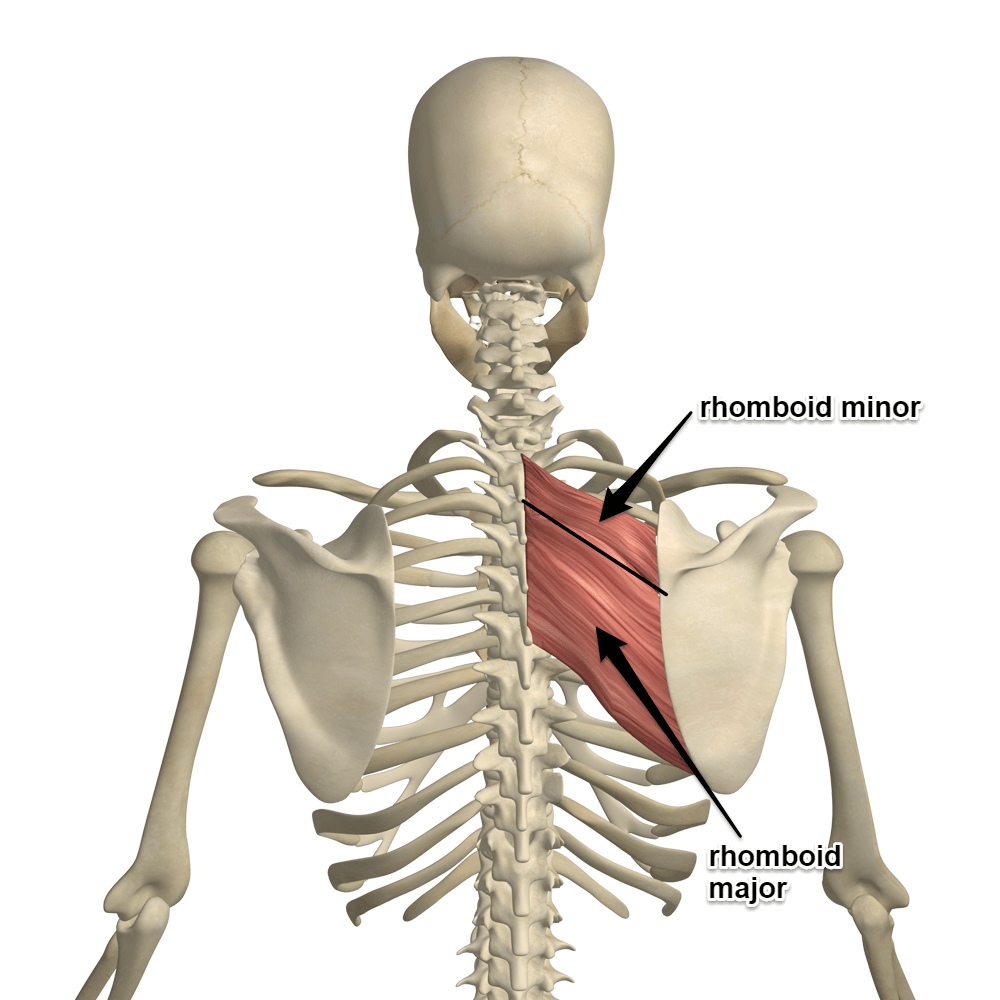
- Rhomboid Major: Originating from the spinous processes of the T2 to T5 vertebrae, this muscle inserts into the medial border of the scapula, just below the spine.
- Rhomboid Minor: This smaller muscle arises from the ligamentum nuchae and the spinous processes of the C7 and T1 vertebrae, attaching to the medial border of the scapula near the spine’s base.
Both muscles are innervated by the dorsal scapular nerve and receive blood supply from the dorsal scapular artery. Their primary functions include retracting the scapula (pulling the shoulder blade towards the spine), elevating it, and rotating it to depress the glenoid cavity. These actions are crucial for movements like pulling and lifting, as well as for maintaining an upright posture.
Interaction with the Trapezius Muscle
The trapezius muscle, a large superficial muscle extending from the occipital bone down to the lower thoracic vertebrae and out to the scapula, overlays the rhomboids. It comprises three sections:
- Upper Trapezius: Elevates and upwardly rotates the scapula.
- Middle Trapezius: Retracts the scapula.
- Lower Trapezius: Depresses and assists in upward rotation of the scapula.
Given their anatomical proximity, the rhomboids and trapezius muscles often work synergistically to control scapular movements. However, imbalances or overactivity in the trapezius, especially the upper fibers, can overshadow the rhomboids’ function. This dominance can lead to altered scapular mechanics, resulting in strain or entrapment of the rhomboid muscles beneath the trapezius.
Consequences of Rhomboid Entrapment
When the rhomboid muscles become shortened, stuck, or compressed, several issues may arise:
- Medial Scapular Border Pain: Individuals often experience a deep, aching pain along the inner edge of the scapula.
- Nerve Compression: Entrapment can irritate the dorsal scapular nerve, leading to sharp pain, tingling, or numbness radiating along the medial border of the scapula and possibly down the arm.
- Reduced Mobility: Tightness and discomfort can limit shoulder and upper back movements, affecting daily activities and athletic performance.
Exercises to Strengthen Rhomboid Engagement and Address Scapular Dysfunction
Incorporating targeted exercises into your routine can enhance rhomboid strength, improve scapular mechanics, and alleviate associated discomforts. Here are three effective exercises:
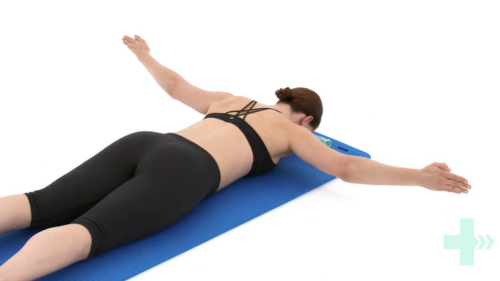
- Prone Lateral Raise Purpose: Strengthens the rhomboids and middle trapezius, promoting better scapular retraction.
- Lie face down on a bench with your arms hanging straight down, dumbbells in hand.
- Keeping a slight bend in your elbows, raise your arms out to the sides until they are level with your shoulders, squeezing your shoulder blades together.
- Hold for a moment, then slowly lower your arms back to the starting position.
- Perform 3 sets of 10-12 repetitions.
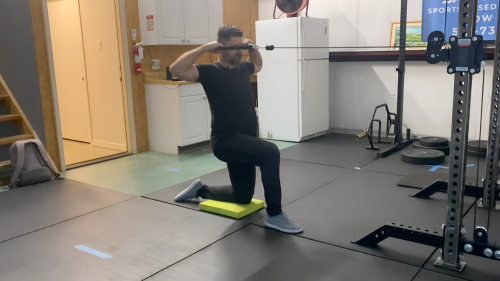
- Face Pulls Purpose: Targets the upper back muscles, including the rhomboids, and promotes proper scapular alignment.
- Attach a rope handle to a high pulley on a cable machine.
- Grasp the ends of the rope with both hands, palms facing each other.
- Step back to create tension, extending your arms fully while maintaining a slight bend in your knees.
- Pull the rope towards your face, flaring your elbows out to the sides and squeezing your shoulder blades together.
- Pause briefly, then return to the starting position.
- Perform 3 sets of 12-15 repetitions.
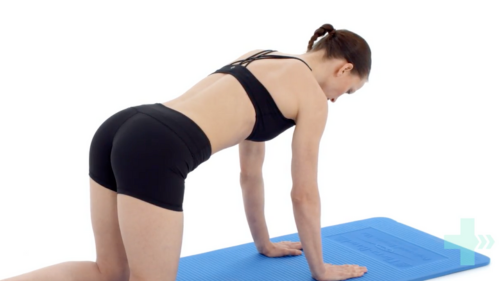
- Scapular Push-Ups Purpose: Enhances scapular mobility and strengthens the rhomboids along with other scapular stabilizers.
- Assume a standard push-up position with arms extended and body in a straight line.
- Without bending your elbows, squeeze your shoulder blades together, allowing your chest to lower slightly.
- Push through your hands to separate your shoulder blades, rounding your upper back.
- This completes one repetition.
- Perform 3 sets of 15-20 repetitions.
Additional Considerations for the Rhomboid muscle
While these exercises can significantly benefit rhomboid function and scapular health, it’s essential to approach them with proper form to prevent further injury. If you experience persistent pain or discomfort, consulting a healthcare professional is advisable. We can provide personalized assessments and tailored rehabilitation programs to address specific issues.
Incorporating these exercises into your fitness regimen can lead to improved posture, reduced upper back pain, and enhanced overall shoulder function. Consistency and attention to form are key to reaping the full benefits of these movements.
Persistent rhomboid pain that doesn’t respond to strengthening exercises often involves dorsal scapular nerve entrapment or deep tissue adhesions — see how we diagnose and treat the root cause.